Shuibei is a jewellery district in Shenzhen’s Luohu area, where trading, making and testing happen close together (Luohu District Government, checked 28 September 2026). I live in Shenzhen and use this market to choose stones and inspect work for custom pieces sent to Australia. For a distant buyer, that means someone can check the piece in person before it travels.
What is the Shuibei jewellery market?
Shuibei is a district of trading markets, suppliers and jewellery businesses, rather than one building with one seller. A Luohu District Government report published in July 2026 counted more than 9,000 jewellery corporate entities and 20 specialised trading markets in the area at the end of 2025 (checked 28 September 2026). Those figures describe an industry, not 9,000 shops where a private buyer can walk in and order a ring.
Gold is everywhere in Shuibei, but I also come here for diamonds, other gemstones and the people who work with them. A stone supplier may be in a tower above a trading floor. A workshop may be in an industrial building away from the displays. The concentration makes it possible to compare options and follow a piece through production. It does not mean every option is equally well made.
That distinction matters when someone in Australia finds the phrase “Shenzhen jewellery market” and sees rows of finished pieces online. My work is to choose a stone and a workshop for one made-to-order piece under our own brand. A busy market gives me choices; it does not make the choice for me.
How is Shuibei laid out?
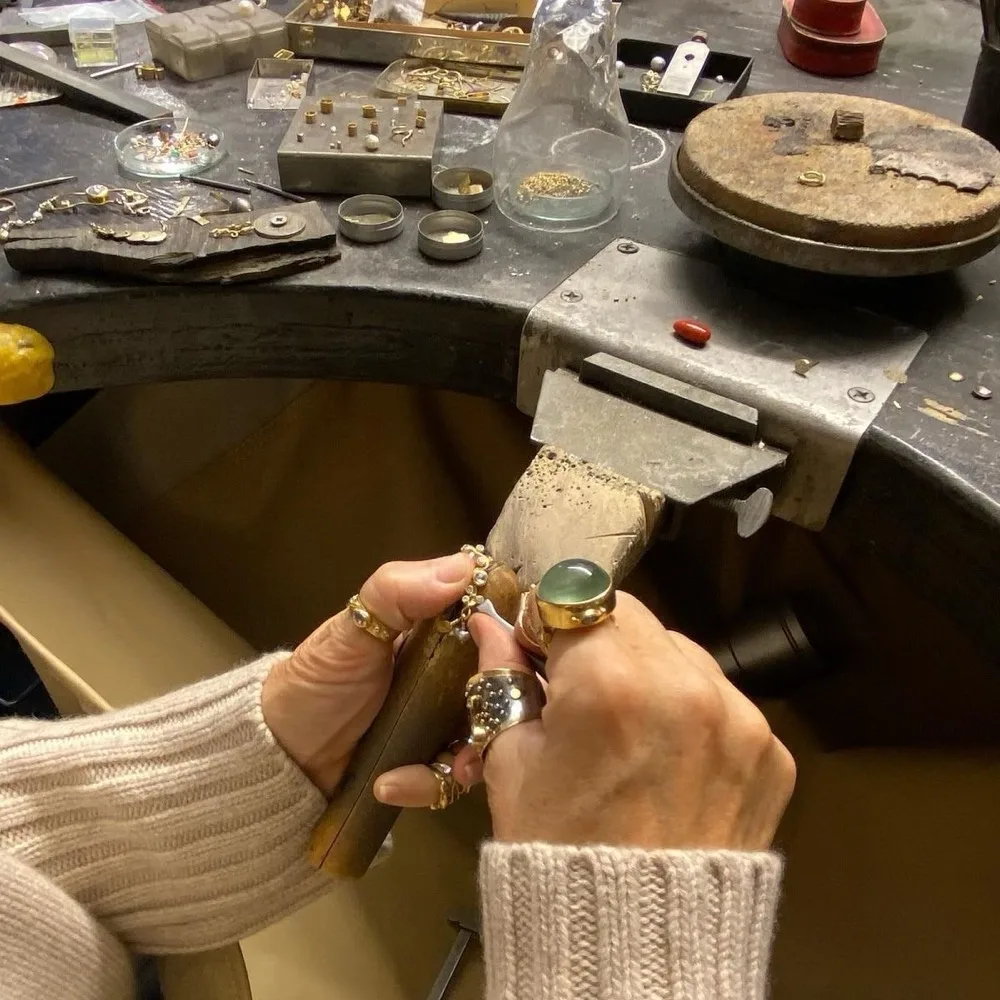
The part of Shuibei visible from the street is only part of the market. Trading floors and displays are easy to spot. Some companies work upstairs, including on the 33rd and 35th floors of towers. Couriers and carts move gold and silver bars through the area. About 1.5 kilometres away, more jewellery workshops work in plain industrial buildings.
Testing is part of the same working area. GIA’s 2016 field report described gem-testing laboratories alongside Shuibei’s exchange centres and other jewellery services (checked 28 September 2026). I also see grading laboratories in the area now. The trading rows, workshops and laboratories are connected by the people carrying stones, metal and finished work between them.
This layout explains why a video of a display counter tells you so little about a custom order. The counter may show what is available to buy. It cannot show how a particular workshop sets a stone, how a joint looks under magnification or whether the finished piece matches the approved model. For those answers, I go beyond the counter.
Why did I move to Shenzhen?
I moved to Shenzhen about a year ago to build this business close to the workshops and stone suppliers. I wanted to be able to visit production while a piece was being made and choose stones in person. Video is useful for discussing an idea with a client in Australia, but I find it hard to judge a stone’s quality from video alone.
Being here also lets me go back when something needs attention. I can look at work at any stage and tell the jeweller what to correct. The distance between an Australian client and a Shenzhen workshop is real; living near the work is how I deal with the part that needs eyes and hands on site.
I do not have a shop between the client and production. I work directly with several workshops and stone suppliers, then speak with the client about what I find. I can explain why I prefer one option after seeing it, instead of passing on a supplier’s photo as though I had inspected the piece myself.
How do I choose a workshop for a custom piece?
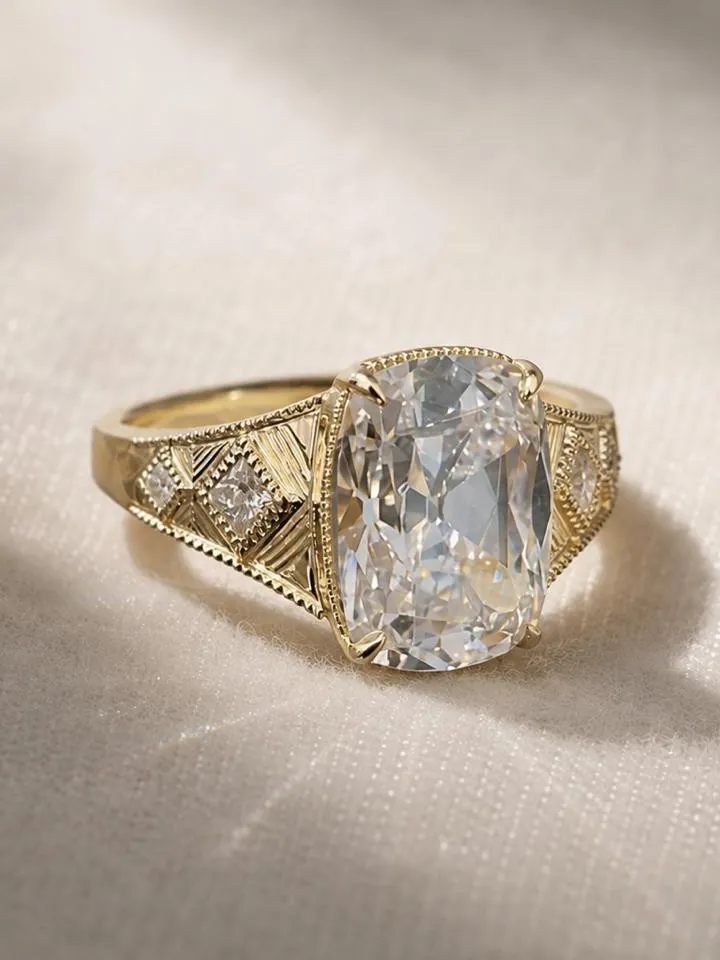
I start with finished work. I look at how stones are set, which stones the jeweller chooses for the workshop’s own pieces and whether the proportions look right. A drawing can be persuasive; the finished settings tell me more about the hands that will make a client’s piece. I mostly work with jewellers whose work we have seen through previous orders.
For an 18ct gold (18K, 750) piece, I also need a workshop that can make the approved design cleanly and consistently. We can make 14ct gold (14K, 585) on request. The choice of metal belongs in the quote and the model, before anyone starts casting.
When I consider a workshop, I agree on the work, visit the production floor and inspect what the workshop actually makes before placing a client’s order with it. That order of events matters more to me than the number of suppliers in the district. Shuibei offers a great deal to choose from, so I can be selective about where an individual piece is made.
What happens after a client sends an idea?
A client can send me a photo, a link or a description. I work out whether a piece inspired by that reference can be made, choose a suitable stone and workshop, and give the client a free quote before any payment. The quote is valid for 14 days.
If the client decides to go ahead, the first payment is USD 200 toward the total price. It is refundable until work on the 3D model starts; once that work has been done, we keep the payment and it still counts toward the price. The workshop makes the model for the client to review. Three revisions are included, and each further revision costs USD 50, added to the balance invoice. No metal is cast until the client approves the model.
After approval and balance payment, casting, setting and polishing happen in one workshop in Shenzhen. Production is 21 days from payment to dispatch. I can visit the workshop and check the work while it is there. The client sees photos of the finished piece before we send it to Australia.
From order to delivery in Australia, a piece usually takes three to four weeks. The stages, and what can delay them, are explained in how long a custom engagement ring takes.
How do I check the finished piece?
I look closely at the finished piece, including the stamp, the accompanying documents and the places where metal meets metal or holds a stone. Under a loupe, I check each joint and setting for work that needs correcting. These are small details, but they are where a piece can look fine in a photograph and still give me a reason to send it back to the jeweller.
An 18ct piece is stamped 750. A testing laboratory in China checks the finished piece and issues a certificate for it. That certificate concerns the finished jewellery; a grading report for a centre stone is a separate document. I check the documents with the piece rather than treating the word “certificate” as an answer on its own.
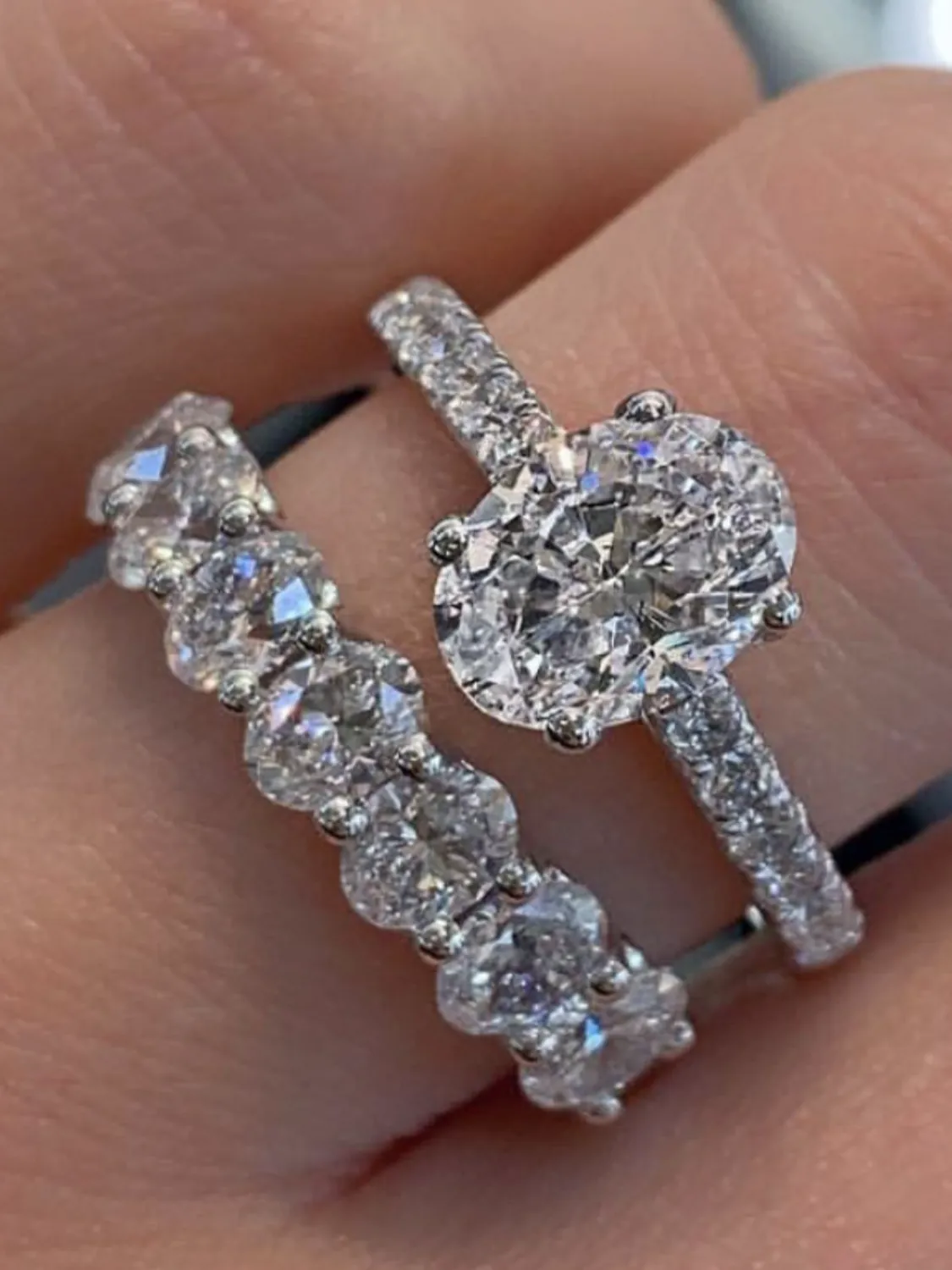
For a centre stone of 0.30 carat or more, its independent report is included in the price. Our lab-grown diamonds come with IGI reports and natural diamonds with GIA reports. Smaller, side and pavé stones are not individually reported. Most of the lab-grown stones I set are graded VVS1 or VVS2, but the grade to rely on is the one stated for the particular stone in its quote and report.
A report describes a stone; it does not by itself prove that the reported stone is the one in front of you. Where a stone has a laser inscription, the number must be matched under magnification. How to check an IGI report explains what a buyer can verify from the paperwork and what requires a look at the stone.
What surprised me about working in Shuibei?
I expected a large jewellery market. The speed and the amount of work still surprised me. The number of suppliers and workshops means I can compare several ways of making a piece. I was also struck by how well some workshops make jewellery, especially when I could examine their finished work up close.
The government’s count of 20 specialised markets helps describe that scale, but it does not describe the quality of any one setting. Fast work can be good work here; I still check it. A crowded trading floor is most useful to me when it leads to a workshop whose finished pieces hold up under a loupe.
What does being in Shuibei mean for a buyer in Australia?
A buyer in Australia cannot usually visit a supplier in Shenzhen to compare stones or inspect a piece during production. I can do that locally, then show the client the 3D model before casting and photos of the finished piece before dispatch. The client can make decisions from those materials and ask me about details I have seen in person.
The paperwork matters alongside those visits. Before paying for a stone, I would ask for an independent laboratory report, the exact cut and an explanation of what any higher-priced option buys you. Under bright shop lights, stones can all look appealing. A seller’s own certificate is not the same as an independent laboratory report.
Delivery to Australia is included in our quoted price. We carry the risk of loss or damage until the piece is delivered, and remake or refund in full if it is lost or damaged. Import duties and GST are included in the price as well, so you pay nothing on delivery. The practical questions to ask about an overseas order are covered in ordering a custom ring online.
Where do overseas buyers tend to make mistakes?
The first mistake I see is choosing by Instagram photos or video without seeing a supplier’s finished work. Images help you choose a direction, but they may not show the back of a setting or a weak joint. I go to workshops because those details affect which jeweller I trust with an order.
The second is assuming that a stone’s price is obvious from its carat weight or a flattering video. Cut changes how large a stone looks from above: two stones of the same weight can face up differently if one holds more weight underneath. I would ask what the cut and measurements are, then decide whether a higher colour or clarity grade buys a difference I can see. If a VS1 or VS2 costs noticeably less than a VVS1 or VVS2, I would usually choose the VS; in most cases the clarity difference is invisible to the naked eye.
The third is checking a report online and stopping there. A genuine report number confirms the report exists. It takes a physical check to connect that report to the stone supplied. This is especially hard for a buyer overseas to arrange alone, and it is one reason I want to see the stone and the paperwork together.
When will this article not help?
This is my account of using Shuibei to make an individual custom piece for someone in Australia. It is not a tourist shopping guide or a wholesale sourcing guide. Shuibei has 20 specialised trading markets in the government’s end-of-2025 count, and this article does not rank their counters, map their opening hours or tell a reseller where to buy stock.
It also cannot tell you which workshop or stone suits a design I have not seen. Send me a photo, a link or your idea through ENBOM DIAMONDS. I can tell you whether a piece inspired by it can be made and give you a price before you pay anything.
Questions
What is Shuibei in Shenzhen?
Shuibei is a jewellery trading and production district in Shenzhen's Luohu area. Its markets bring together sellers of gold, stones and finished jewellery, while workshops and testing services operate nearby. It is a place where I can compare suppliers and inspect work in person, though the size of the market alone says nothing about an individual piece.
Why order through someone based in Shenzhen?
I can visit workshops, choose a stone in person and look closely at a piece while it is being made. That gives a client in Australia information that a supplier's photos may miss. The order still needs a clear quote, an approved 3D model and the appropriate reports; being nearby does not replace those checks.
Can I check a piece made in Shenzhen from Australia?
You can review the 3D model before casting and see photos of the finished piece before dispatch. For a centre stone of 0.30 carat or more, you also receive its independent laboratory report. Some physical checks, including close inspection of the setting and a laser inscription where present, need someone with the piece and a loupe.
Sources
- Shenzhen's Shuibei jewelry hub eyes global opportunities ahead of APEC forum Checked 28 September 2026
- Luohu unveils digital platform to revolutionize Shuibei’s gold and jewelry industry Checked 28 September 2026
- Shenzhen: The Frontier of China’s Gem and Jewelry Industry Checked 28 September 2026